

Type:
CRAaaS - Cyber Risk Advisory, Monitoring, and Expert Guidance to Strengthen Security Posture
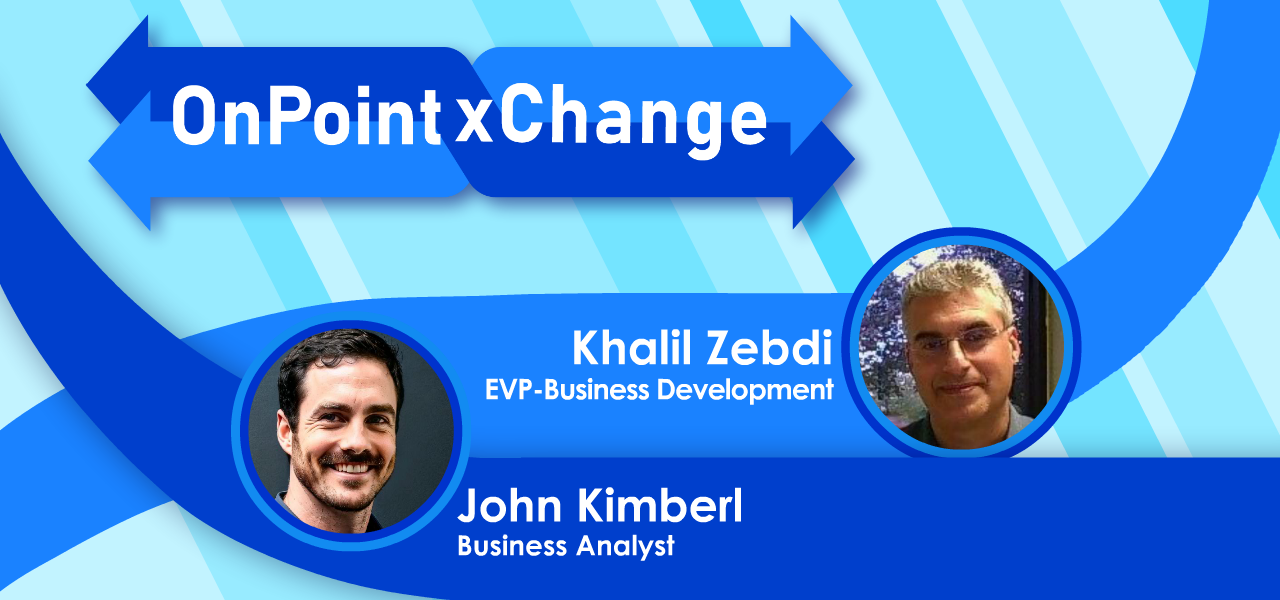
In today’s rapidly shifting cybersecurity landscape, agencies face increasing pressure to protect their systems, maintain compliance, and manage risks while adapting to emerging threats. But how can organizations ensure they're equipped to meet these challenges without overwhelming their internal teams? This is where ASSYST Cyber Risk Advisor-as-a-Service (CRAaaS) steps in, offering expert guidance and strategic oversight to bolster an agency’s security posture.
I am John Kimberl, a business analyst at ASSYST. I am joined by Khalil Zebdi, EVP of business development at ASSYST. Khalil has nearly three decades of Industry experience, including 15 years focused on large-scale cybersecurity programs for U.S. Federal Government Agencies. He’ll help us answer some of the most common questions about CRA-as-a-Service and how it can benefit organizations.

John Kimberl: Khalil, you’ve got nearly three decades of experience in IT, with the last 15 years laser-focused on large-scale cybersecurity programs for federal agencies. That’s pretty impressive. Can you tell us how ASSYST’s CRA-as-a-Service fits into that landscape and why it’s relevant now?
Khalil Zebdi: Thanks, John. You’re right—the cybersecurity landscape is evolving faster than ever, and agencies are feeling the pressure to keep up. That's where ASSYST’s Cyber Risk Advisor (CRA)-as-a-Service comes into play. We designed this service to help organizations navigate policy, compliance, privacy, and risk management challenges. It’s not just about putting out fires; it's about empowering agencies strategically to enhance their security posture. Our CRA service ensures they’re keeping up and staying ahead.
John: So what exactly does a Cyber Risk Advisor do? I mean, how do they differ from other security roles?
Khalil: Great question. Think of the CRA as a key part of the CISO’s team but with a broader view. They handle the RMF (Risk Management Framework) for multiple systems simultaneously, which is no small feat. They’re focused on the big security issues—policy, privacy, compliance, and operational integrity for FISMA systems. What’s unique about the CRA is its direct engagement with agency stakeholders and leadership, guiding them through security challenges and offering risk recommendations that align with NIST best practices. It’s not just about checking off boxes; they’re helping shape long-term strategies that influence day-to-day operations, from coordinating with cybersecurity experts to ensuring that software development and change management processes meet stringent cyber standards.
John: I see. So, how is CRA-as-a-Service different from ISSO-as-a-Service? They sound critical to an agency’s security, but what sets them apart?
Khalil: They’re both important, but their focus is different. CRA-as-a-Service is more strategic—it's about evaluating risks from a high level and improving the overall security posture. The CRA is a trusted advisor to leadership, providing risk recommendations that guide big decisions. On the other side, ISSO-as-a-Service is more tactical. The ISSO is on the front lines, managing compliance and ensuring that the day-to-day security controls and processes are implemented correctly. They’re more hands-on with executing tasks, whereas the CRA thinks about the big picture and how to steer the ship.
John: That makes sense. So, when it comes to expertise, what kind of knowledge does a CRA bring to the table?
Khalil: A CRA possesses rather unique expertise with regard to cyber operations, John. They deeply understand technical and policy aspects, honed through years working in government and compliance-heavy environments. They know their way around security controls, tools, platforms, and the RMF process. But it’s more than just technical know-how—they’re troubleshooters. They can independently assess, analyze, and resolve security issues, particularly those high-risk, persistent threats. A CRA isn’t just patching problems; they’re thinking about long-term solutions engaging with system owners, stakeholders, and development teams to ensure cybersecurity operations run smoothly and comply with federal regulations. The CRA provides the transition is secure as organizations move to the cloud or adopt new technologies.
John: It sounds like the CRA is pretty central to everything. How do they use the NIST Risk Management Framework (RMF) in their role?
Khalil: RMF serves as the backbone of the CRA role. They use it to guide risk assessments and manage information systems from start to finish. The CRA moves through each step of the RMF—categorization, control selection, implementation, monitoring—to ensure that every part of the security process aligns with federal standards and agency-specific policies. They’re not just following the RMF but orchestrating the entire process. They identify sensitive data, evaluate privacy impacts, and continuously review how effective those processes are. It's a constant improvement cycle to ensure the organization’s top-notch cyber practices.
John: I can see how crucial that is. How do CRAs collaborate with other roles, like ISSOs and system stakeholders?
Khalil: Collaboration is key. The CRA works hand-in-hand with ISSOs and system stakeholders, especially throughout the RMF process. They ensure that security controls are not only implemented but optimized. This collaboration helps ensure that the system’s security posture is continuously evaluated and improved in real time based on emerging threats and evolving compliance standards. The CRA also plays a critical role in advising leadership on addressing evolving risks, ensuring the organization stays ahead of the curve.
John: When assessing a system’s security posture, what exactly does the CRA do?
Khalil: The CRA conducts in-depth risk assessments, closely examining the system’s vulnerabilities. Based on their findings, they recommend to the CIO and CISO whether the system is ready for an Authority to Operate (ATO). This is critical because it’s not just about saying “yes” or “no.” The CRA ensures that all vulnerabilities are identified, risks are mitigated, and the system is fully protected before it moves forward for certification.
John: Got it. So, let’s talk about the benefits. Why should organizations invest in CRA-as-a-Service?
Khalil: It’s all about agility and expertise. With CRA-as-a-Service, agencies don’t need full-time staff to get top-tier risk analysis and recommendations. They can tap into our expertise as needed, which is cost-effective and efficient. Plus, the CRA isn’t just reacting to security issues—they’re proactively managing risks to prevent breaches. This service helps agencies avoid threats while ensuring compliance and regulatory standards are met. It also supports POA&Ms and long-term cybersecurity strategies, making it a well-rounded solution.
John: Finally, how can an organization scope CRA-as-a-Service effectively?
Khalil: The first step is to assess where you stand—look at your security posture and identify gaps. From there, set clear objectives, whether improving RMF compliance, obtaining ATO certification, or strengthening overall risk management. It’s important to bring in key stakeholders early and ensure the CRA is integrated into the RMF process. And, of course, success can be tracked through tangible metrics like improved audit outcomes, faster incident response times, and readiness for ATO. It’s all about aligning the service with your strategic goals to get the most out of it.

About ASSYST Cybersecurity Capabilities and Solutions
ASSYST provides cyber support services that help customers with portfolios of FISMA Systems to manage risks effectively and comply with regulations. Our services include risk management, policy and compliance, vulnerabilities, knowledge management, data management, project management, and talent management for CISOs and business leaders. Our Security Data Lake Solution harmonizes data and improves holistic threat intelligence through actionable insights. Our unique ISSO-as-a-Service (ISSOaaS) and SOC-as-a-Service (SOCaaS) connect you with adaptable security professionals who follow industry best practices to support your organization's Cyber Mission Assurance. ASSYST’s ComplySync ATO solution applies AI/ML and collaborative document intelligence to help agencies acquire Continous Authority to Operate (cATO) capabilities.
Our seasoned cyber security experts adhere to industry standards and best practices such as NIST CSF/RMF, PMBOK, ISO 27001/9001, HS2P2 guidelines, and Zero-Trust frameworks. We offer a Cyber Resilience Program with various engagement, education, and training initiatives for customer cyber experts, business owners, and cyber leadership. These initiatives help them discuss evolving trends, share their best practices based on experience, and grow their knowledge base through certifications.